
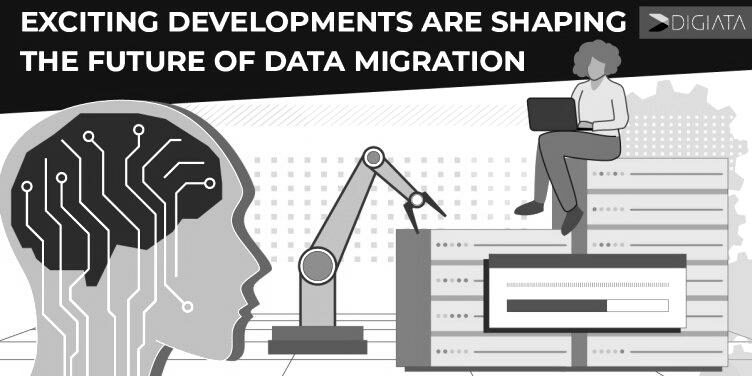
There are truly some exciting developments that are shaping the future of data migration. Cutting-edge features, including advanced data migration as well as generative AI capabilities, are currently revolutionising the way organisations handle their data.
The addition of generative AI capabilities (made possible through strategic partnerships), promises to be a true game-changer. This innovative leap forward attracts developers that are eager to integrate generative AI seamlessly into their applications, propelling data migration into a new era of efficiency and possibilities. As the landscape evolves however, traditional methods will also face challenges. Relational databases struggle to handle the scale that modern data-driven organisations demand. Organisations can overcome these obstacles however by deploying document-based databases that excel in working with large sets of distributed data.
Generative AI holds immense potential in transforming the work of data scientists and engineers. By automating manual tasks and reducing the complexity of coding, it empowers data workers to focus on in-depth analysis, driving productivity and enabling organisations to gain meaningful insights.
With generative AI and language model capabilities becoming increasingly integrated into database tools, the possibilities for data migration is expanding. Developers now have the opportunity to leverage these powerful features as they build new and innovative applications, opening doors to a new realm of increased efficiency.
In addition to generative AI, the introduction of features like “vector search capabilities” is revolutionising the way organisations handle structured and unstructured data. This powerful tool facilitates seamless integration, improving productivity and ease of use. Vector search is an exciting trend within the generative AI field, and as more organisations integrate this capability into their current database tools, the landscape of data migration continues to evolve. The potential for unlocking valuable insights from structured and unstructured data is more accessible than ever before.
These advancements mark a significant step forward, attracting more customers and encouraging existing users to adopt these new tools. By prioritising real-time data management capabilities, organisations can further enhance their success in today’s fast-paced world.
It really is the time to embrace the changing landscape of data migration, as it unlocks new possibilities and empowers organisations to leverage the full potential of their data.
Digiata will keep you as updated as possible on any new and exciting movements that are redefining the future of data migration.
About Digiata
Digiata offers end-to-end solutions that cover a wide spectrum of business processes conducted in the financial services and insurance industries, including process automation, complex integration, payments and reconciliation, data analytics, customer experience and data migrations. Digiata works with mission-critical, high-volume transaction platforms and systems for some of the leading banks and investment managers and insurers across sub-Saharan Africa and the UK, combining market leading software with industry innovation to solve specific business challenges for its clients. Digiata provides the perfect balance between a solution customised to business challenges and environment, plus the speed of implementation and agility of a team of experts who have a powerful toolset to draw on.